
The complete guide
How To Choose A Kids Castle Tent That Actually Gets Used
The toy that gets played with, and the one that does not
Every parent knows the pattern. Something big and exciting arrives, there is a burst of enthusiasm for about four days, and then it drifts to the back of the cupboard. Play tents can go either way. The ones that get abandoned are usually abandoned for the same two reasons. Either they are too small, so the child outgrows them in a season, or they are too fiddly to put up and down, so they never come out of the bag at all.
This guide is about avoiding both of those outcomes. A castle tent is not a complicated purchase, but a few details make the difference between a corner of the bedroom that gets used every single day and a nylon shape that collects dust.
Why height matters more than you think
Floor space is the number people check first. Height is the number that decides whether a tent keeps getting used.
A low tent is a crawl-in space. That works beautifully for a two-year-old, who is happy on the floor anyway. By four or five, children want to stand up, turn around, and move in and out without flattening themselves. A tent that forces them onto their knees starts to feel like a young child toy, and children are very quick to notice when something has become a young child toy.
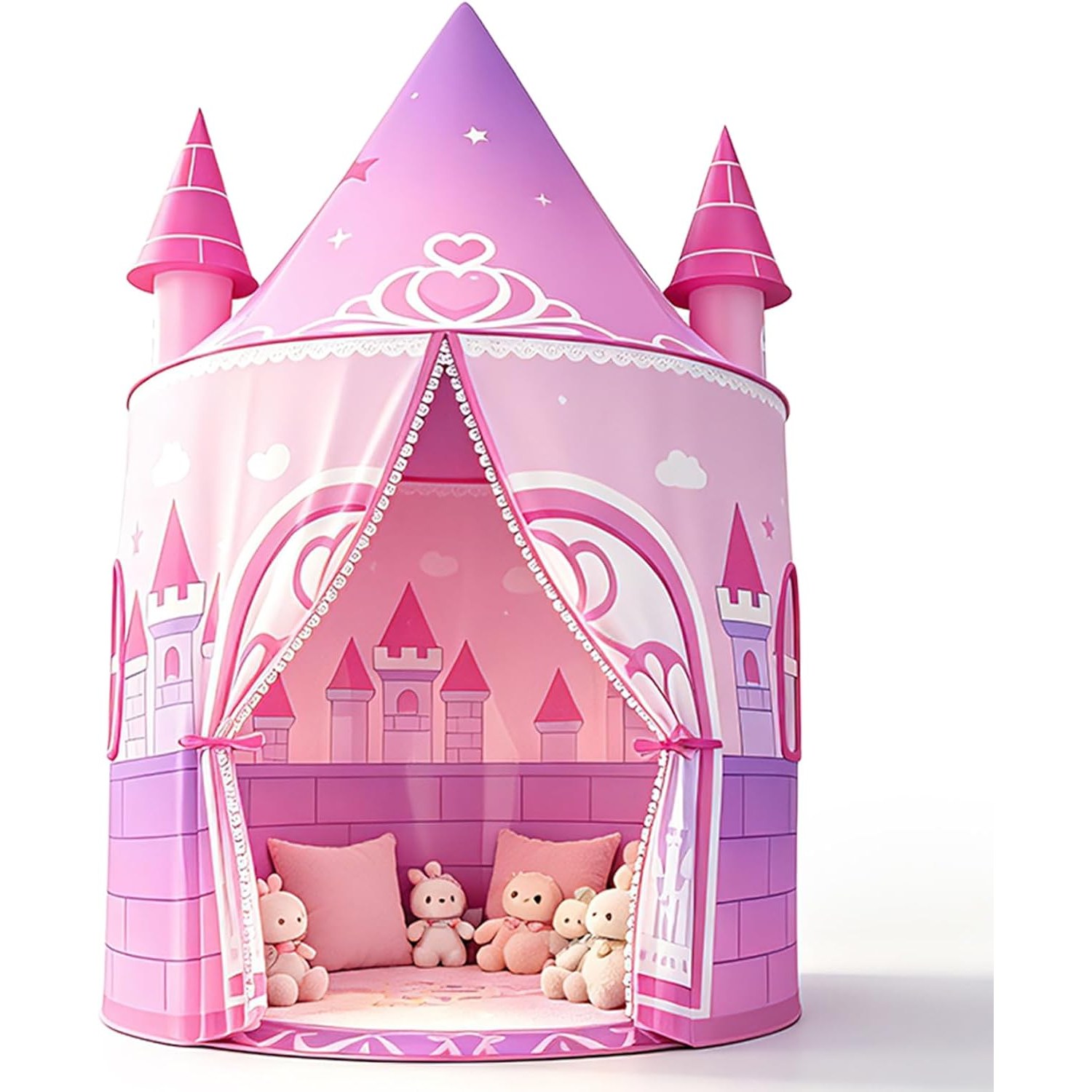
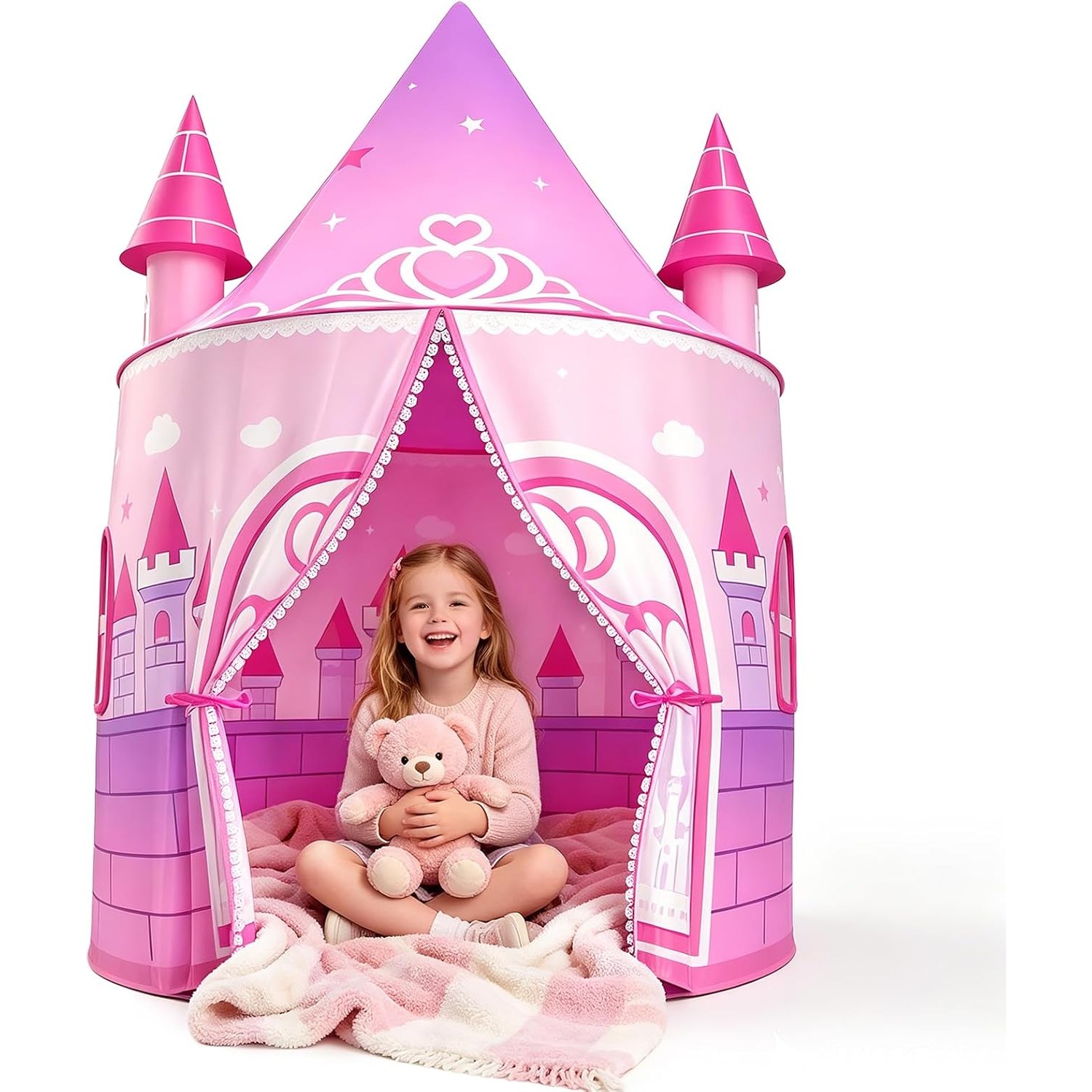
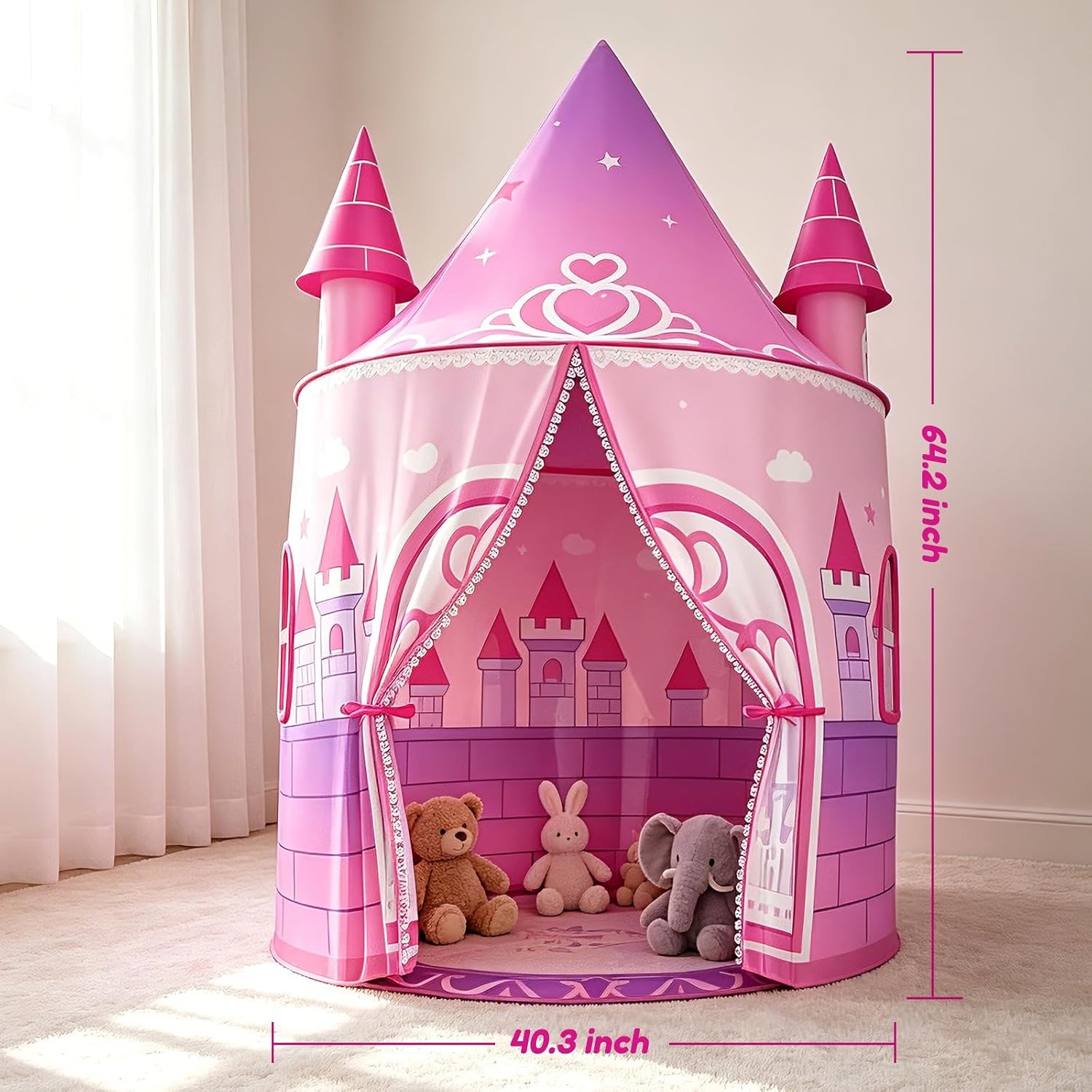
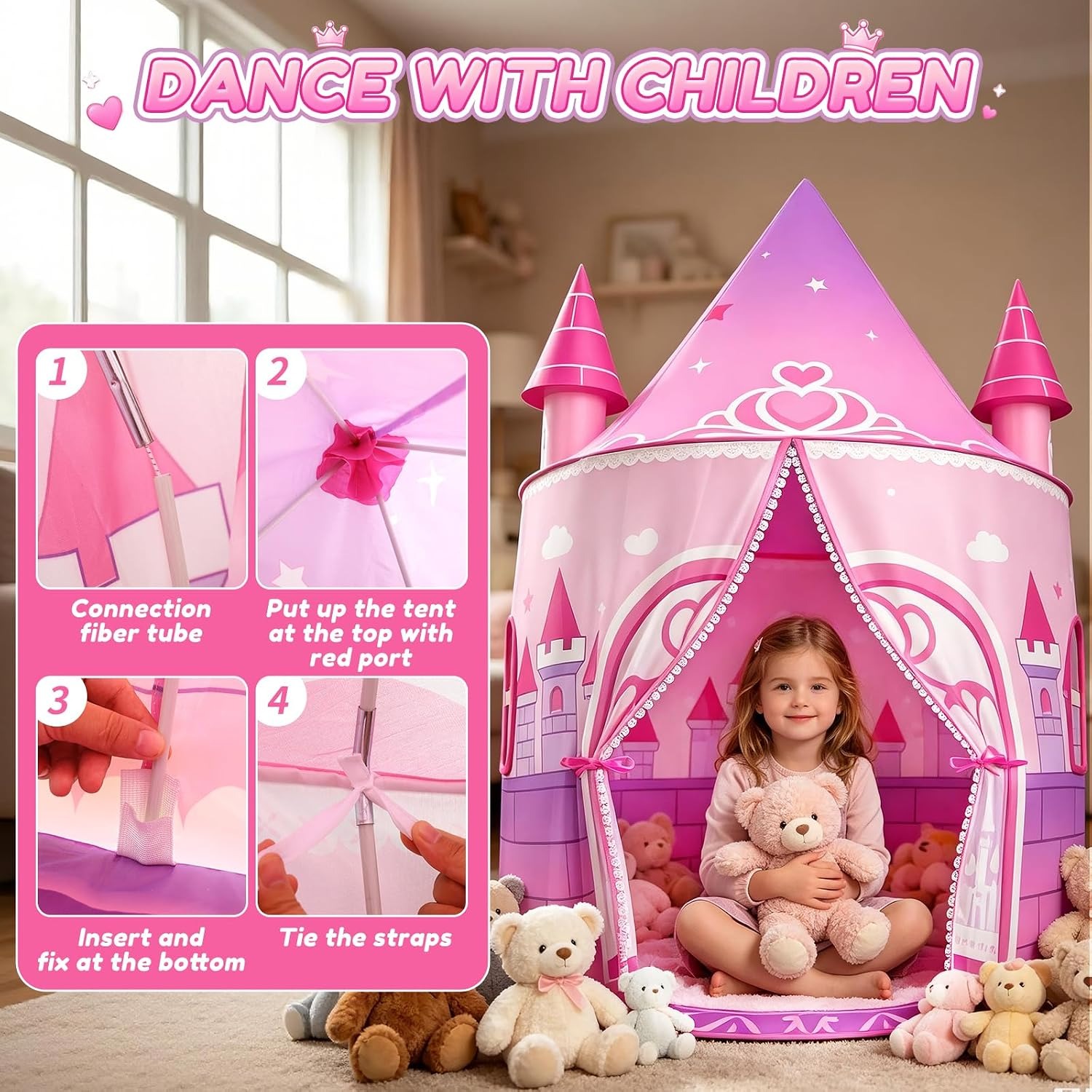
This the maker tent stands 163 cm tall. For context, that is taller than a lot of adults' shoulder height and well above the standing height of a primary-school child. They walk in. They stand up. They can hang something from the inside if they want to. That one difference is what keeps a tent in use for years instead of months.
The base is 104 cm square. Think of it as a floor area of about one square metre, which is enough for a child sitting cross-legged with a cushion, a small pile of books, a couple of soft toys, and still a bit of elbow room. It is a snug space by design. Children generally like snug. The appeal of a den has always been that it is smaller than the room it sits in.
Frame tents versus pop-ups
There are two main ways a kids castle tent is built, and they behave very differently in a house.
Pop-up tents use a sprung wire loop sewn into the fabric. You take them out of the bag and they open themselves. Brilliant for about ten seconds, then you discover that folding one back down requires a specific twisting motion that nobody in the household can remember. They also tend to be short, because the spring structure limits how tall you can go.
Frame tents, like this one, use separate poles that you connect into a skeleton, then fit the fabric over the top. Assembly is required, which sounds like a downside and mostly is not. You do the job once. After that, it either stays standing, or it comes apart properly flat and goes back in a bag without a fight. The frame approach is also what allows the extra height. You simply cannot get to 163 cm with a sprung loop.
If your plan is to leave the tent up in a bedroom or playroom, a frame tent is the better buy every time. If you genuinely need something that goes up and down daily, a pop-up has its place, though you will be giving up the standing room.
Who this suits
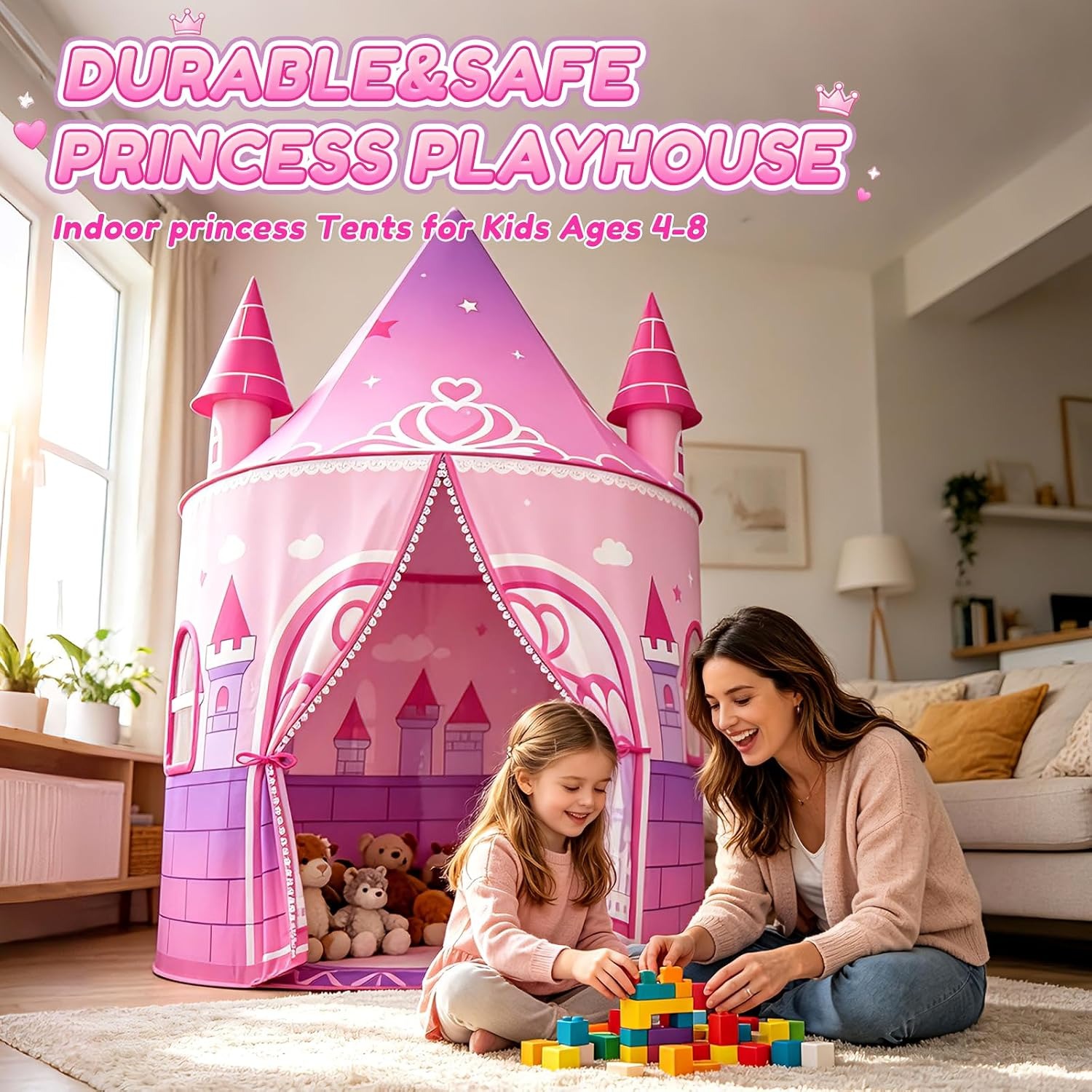
The manufacturer recommends age three and up, with a minimum of 36 months. That lines up with how most children use a space like this. A three-year-old uses it as a hiding place and a house for teddies. A five-year-old uses it as a shop, a spaceship or a castle with very specific rules about who is allowed in. A seven-year-old uses it to get away from everybody, which is a perfectly healthy reason to own a tent.
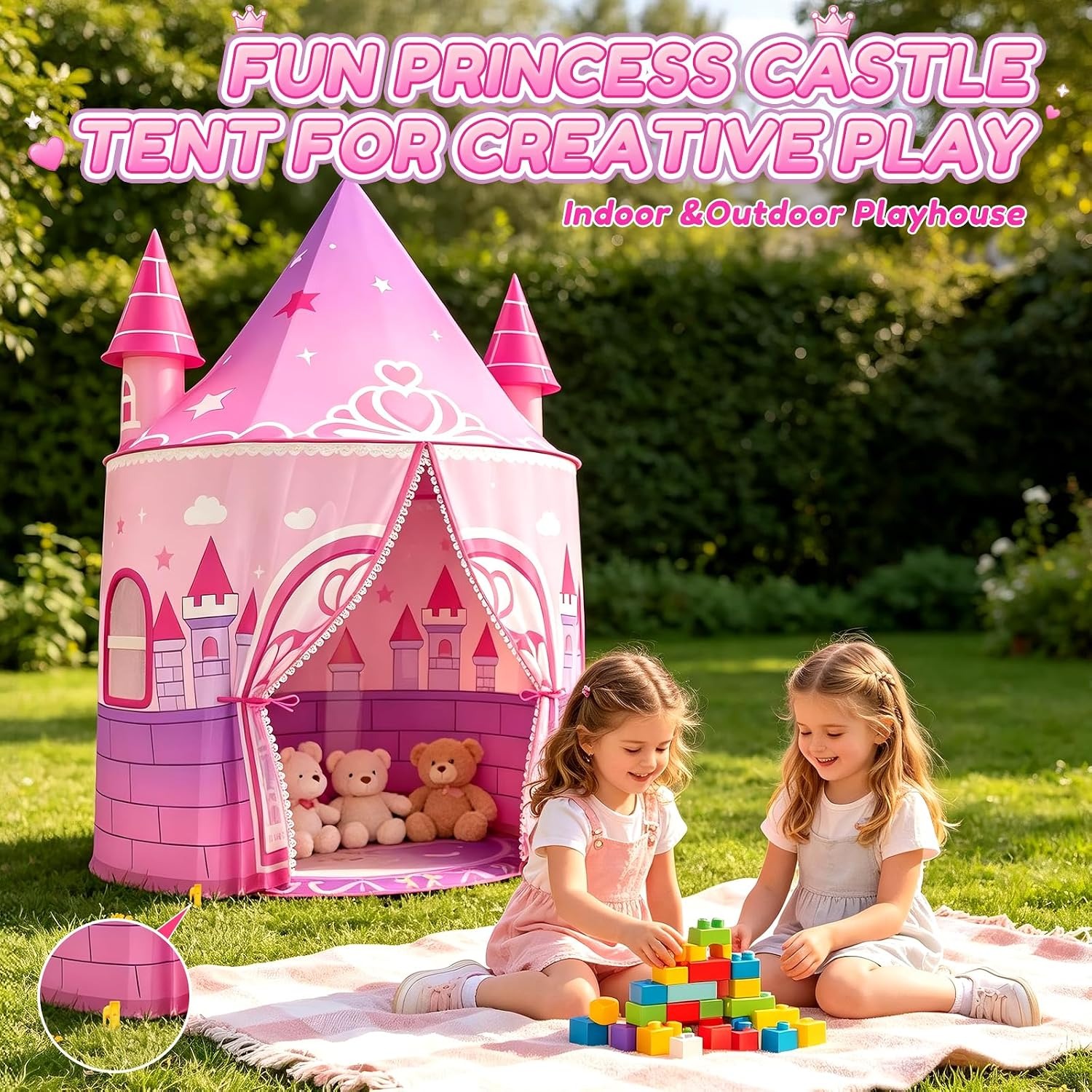
It suits bedrooms, playrooms, a quiet corner of a living room, and grandparents' houses where a child needs somewhere that belongs to them. It is an indoor product. Fabric play structures do not enjoy sun, rain or wind, so keep it inside and it will last.
It is not ideal if you have no floor to spare. A square metre of permanent footprint is real. Before ordering, stand in the room, picture a metre square in the corner and leave room for the doorway to open. If that corner is already a wardrobe, the tent will end up in the hallway and then in the loft.
How to choose between options
A few questions sort most people out quickly.
First, how old is the child and how long do you want this to last? If you want more than a year or two, choose on height. The best tall play tent is the one your child can still stand up in at age six.
Second, where is it going? A permanent spot means you can ignore pack-down convenience and buy on size and looks. A shared living room means you want something that disassembles cleanly, which a pole frame does.
Third, what is the child actually going to do in there? Reading and quiet time call for something you can add soft furnishings to. Loud, active play calls for something with a wide doorway and a stable footprint on a flat floor.
Fourth, is it a gift? Flat-packed items are easy to wrap and easy to hide, which matters more than people admit in December.
Setting it up well
Getting the tent standing is only half of it. The setups that children love share a few habits.
Put something soft on the floor. A folded quilt, a small rug or a couple of cushions transforms the inside from a bare patch of carpet into somewhere a child wants to stay. This is the single cheapest upgrade you can make.
Add light, carefully. Battery LED string lights are the right answer. Nothing mains-powered, nothing with a bulb that gets warm, and obviously no candles near fabric.
Give it a job. A basket of books, a box of small figures, a little cushion that lives in there and nowhere else. A tent with a purpose gets used. An empty tent gets ignored.
Choose the spot with some thought. Away from radiators, away from the top of the stairs, away from furniture with sharp corners. A flat floor keeps the frame square and stable.
Looking after it
Care is simple and mostly common sense. Wipe the panels with a damp cloth and a little mild soap when they need it, then let them air dry completely before you fold anything. Do not put the fabric in a washing machine or a tumble dryer, and keep bleach and irons well away.
If you pack it down, make sure everything is bone dry first. Damp fabric in a bag for a month is how a perfectly good tent becomes a musty one. Store the poles together so none go wandering, and give the connectors a quick look for cracks before each rebuild.
Set a couple of house rules early. No climbing on the frame, no hanging off the roof, no dragging it across the floor while someone is inside. These are not fragile things, but they are play structures, not gym equipment, and children will test the difference if nobody tells them.
The short version
If you want a kids castle tent that still gets used in two years' time, buy on height. The 163 cm profile here means a child stands up inside instead of crawling, and that is what keeps the appeal going past the first few weeks. The 104 cm square base is snug on purpose, big enough for a child, a cushion and a friend.
Assembly is required, which is the trade-off for the extra height, and it also means the thing comes apart flat when you need the floor back. Material type is listed as plastic and the recommended age is three and up. Colour, weight and country of origin are not specified in the maker's details, so check the images for the version shown.
Add a rug, a basket of books and some battery lights, give it a corner it can keep, and it will earn its space.